The wireless protocol Thread will become an integral part of the Philips Hue ecosystem alongside Zigbee and Bluetooth. Manufacturer Signify and its chip supplier Silicon Labs announced the development during an event hosted by the Connectivity Standards Alliance (CSA) (link).
It continues a strategic shift that Signify began in 2025 with its first Thread-enabled light bulbs. So far, however, users have had to choose between Zigbee and Thread. It’s one or the other: The lamp can either be connected to a Matter ecosystem via Matter over Thread, or it can connect via Zigbee to a remote control or hub such as the Hue Bridge. Ikea products equipped with Qorvo chips, which offer a similar capability, currently disable the other wireless protocol as well.
Parallel Operation of Zigbee and Thread
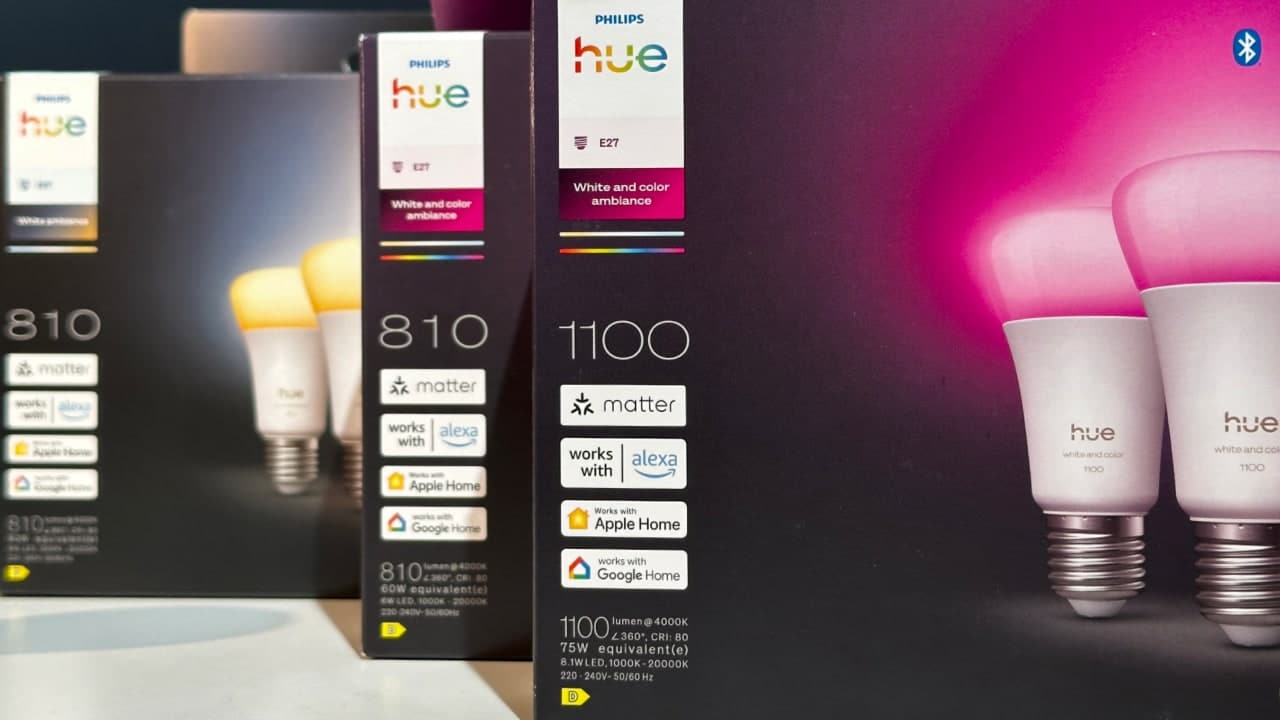
In the future, Philips Hue will support parallel operation. The lights will communicate over Zigbee and Thread at the same time, either out of the box or after receiving an over-the-air firmware update. “Our last generation Hue A19 products, Hue essential products as well as the new Hue candle and wired accessories we recently support, will get this feature later via a software update,” explains George Yianni, Chief Technology Officer for Philips Hue at Signify. The update is scheduled for later this year.
The update is possible because these products already use chips that support Concurrent Multiprotocol (CMP) technology, Silicon Labs’ official name for the feature. Specifically, this includes the MG26 and MG301 SoC families. “We plan to gradually roll out the next-generation chipset across all our mains-powered Philips Hue products,” Yianni says. “There are no products in the field yet that currently have the software to do concurrent multiprotocol operation, but they will be coming soon,” the CTO explains.

Router Capabilities for Both Protocols
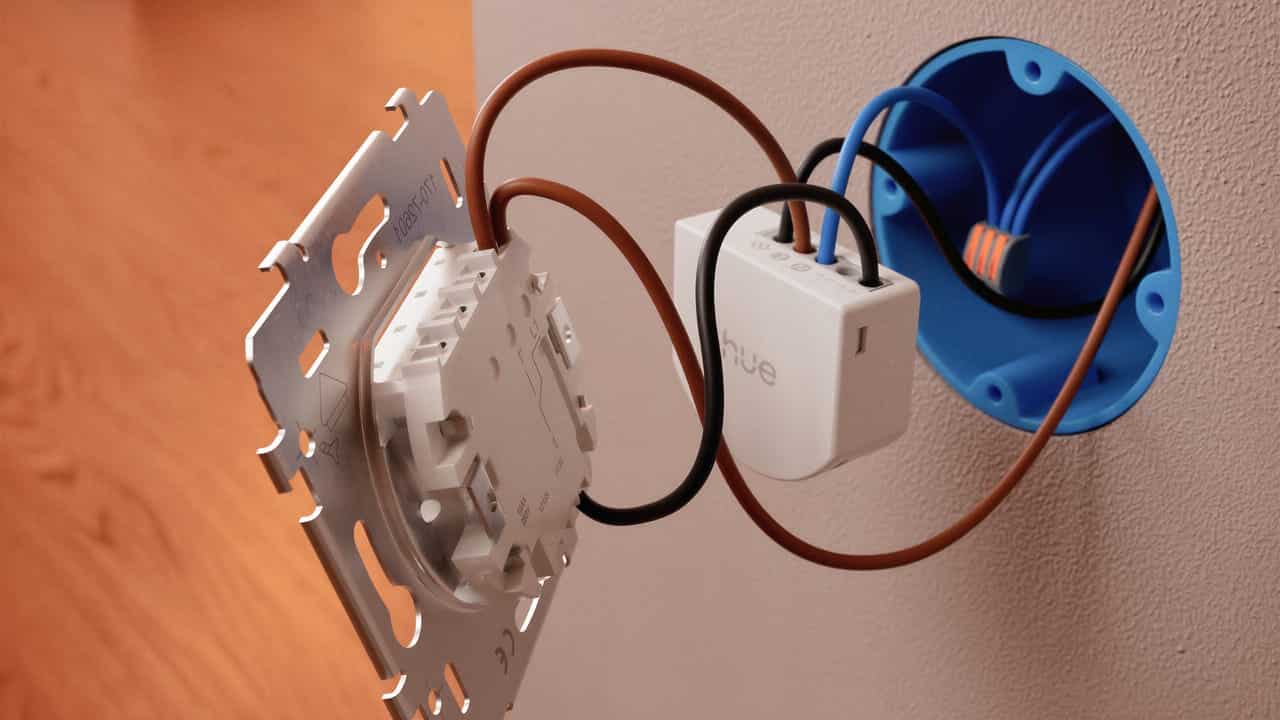
According to Yianni, the technology is only being incorporated into products that are plugged in; battery-powered products such as remote controls or sensors are not planned. One feature of the new devices requires a permanent power supply anyway: “They can use different channels for Zigbee and Thread and will be able to operate as routers in both networks concurrently,” he explains. In other words, the products strengthen each mesh and forward data within their respective networks (see also “As You Route, So You Mesh”). In large installations, this reduces the number of required nodes because each router supports two independent wireless networks.
The approach also provides greater operational flexibility. Existing dual-protocol products – including those from Aqara and Bosch – typically have to be reset to factory settings before switching protocols. Philips Hue is intended to work differently. “For example, you will be able to pair a Hue remote control directly with a compatible Hue light fixture and, without resetting the product, also pair it with a Thread Border Router,” Yianni says.
Existing Bluetooth functionality will also remain available. For several product generations, users without a Hue Bridge have been able to control Hue lights directly from the smartphone app. “That option will continue to operate in parallel, so indeed our products will support three simultaneous wireless technologies in parallel across multiple channels within the 2.4GHz spectrum.” According to Yianni, this presented a significant engineering challenge “as it requires extremely precise and reliable timing to be able to synchronize the packets across the different technologies and switch fast enough.”
The Future of the Philips Hue Ecosystem
Despite Thread and simultaneous multi-protocol operation, Zigbee will remain the technical foundation of the Philips Hue ecosystem. Signify primarily supports Matter over Thread as a bridge technology for integration with third-party ecosystems. While this has already been possible for several years through the Hue Bridge, not every user wants an additional wireless hub in the home.
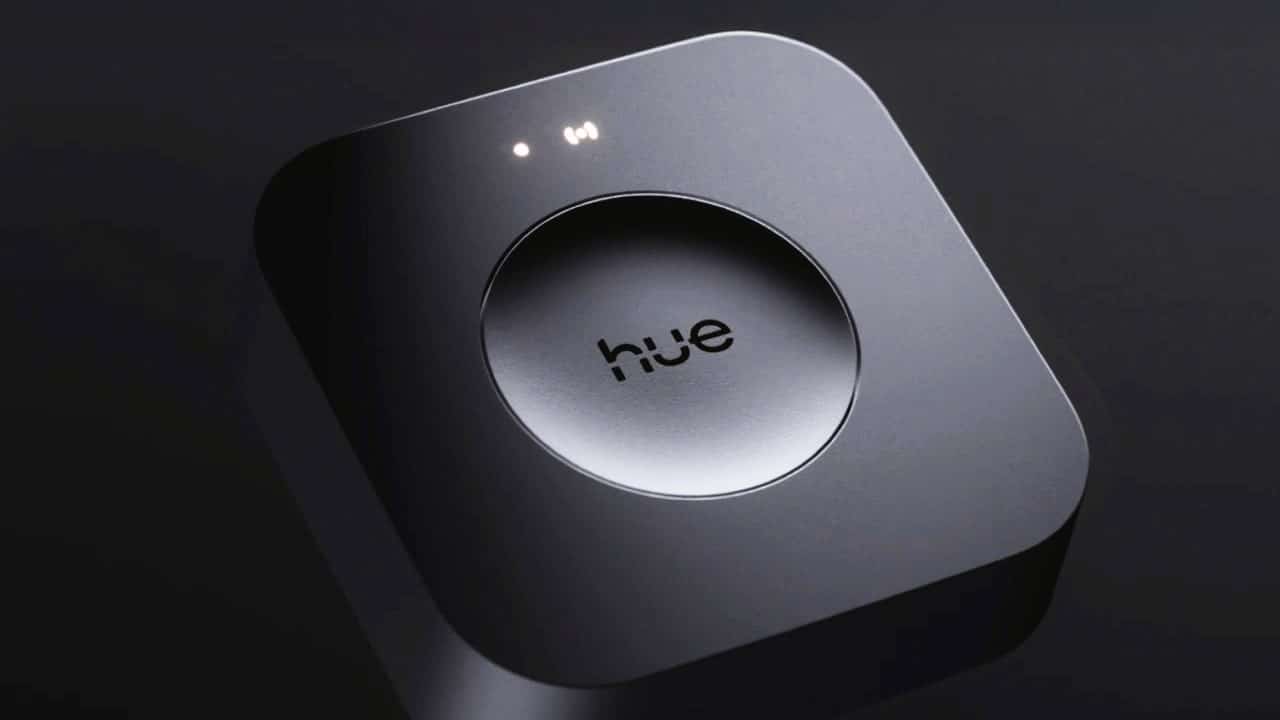
To avoid conflicts, the Thread protocol will be disabled at this time for products registered with a Hue Bridge, according to George Yianni. This is to prevent light bulbs from appearing twice: once directly via Matter over Thread and again via the Hue Bridge’s Matter Bridge feature. So, at least in this case, simultaneous operation of the two protocols is not possible.
Technically, the Hue Bridge Pro could also serve as a Border Router, but only on a single wireless channel. For this reason, there are currently no plans to enable this feature. A complete switch to a different wireless protocol is out of the question for Yianni at this time anyway. “The Philips Hue ecosystem makes maximum use of the message bandwidth of Zigbee to ensure high reliability, scalability, and advanced features like ‘Hue Entertainment’ and ‘Hue MotionAware.’ Since the overhead in Thread is higher, we would have to compromise performance with a transition.”
Share this information: