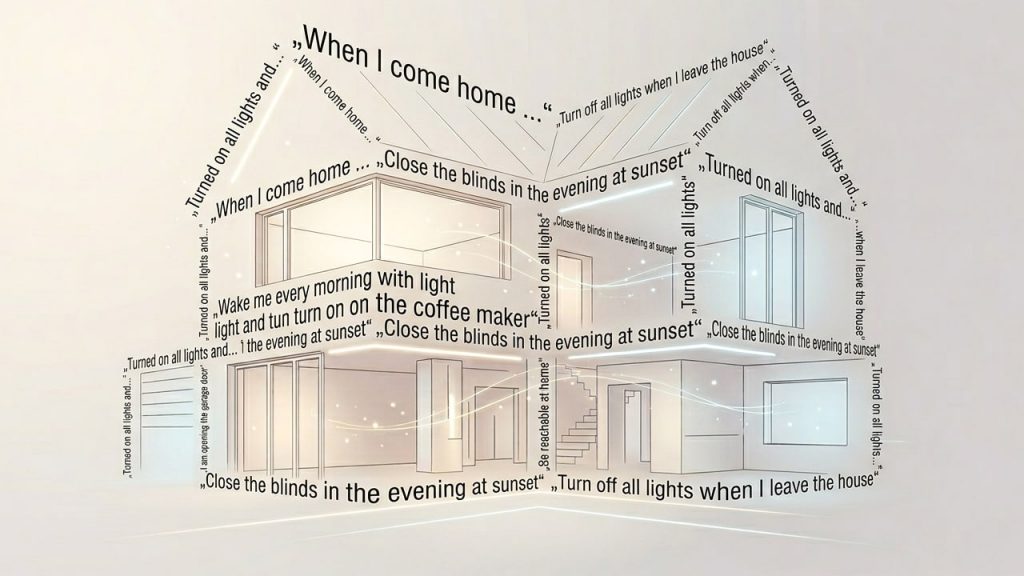
Artificial intelligence is spreading into many areas of life – and now the smart home as well. The next innovation in digital building technology comes in the form of natural language. Instead of programming rules and routines, we simply tell an AI what we want: “Wake me up at 7:00 a.m. on every workday with music from my favorite station. At the same time, dim the lights to 50 percent and turn on the coffee maker.”
Until now, building automation has required a certain amount of background knowledge. Without understanding how things work behind the scenes, not much gets done. Users need to know the devices involved and their names within the system, then create logical if-then relationships – often with additional conditions. It also takes some imagination to visualize how a theoretical automation will play out in practice.
Table of Contents
Matter-Compatible Systems With AI
A new generation of digital assistants aims to change that. It shows that, for major platforms from Amazon and Apple to Google, the Matter standard is ultimately one thing above all else: a means to an end. A standard that provides the foundation for the connected home.
On top of that come chatbots – the digital butlers of the future. They understand our requests, interpret the tasks they contain, and translate them into machine language. And while Apple is still discussing with the EU what restrictions the new Siri AI will face in Europe, other companies are already pushing ahead with their market launches.
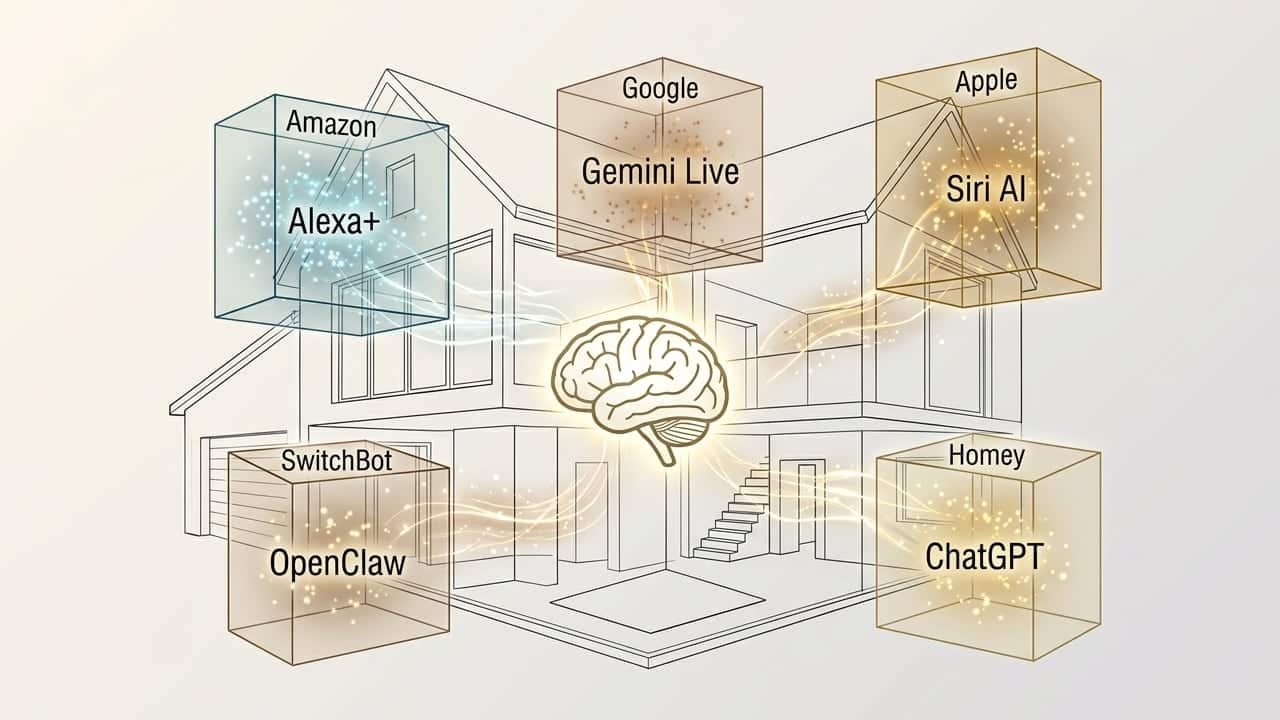
Amazon, for example, is expanding Alexa+ beyond the United States and Canada. Germany, Austria, France, Italy, Spain, and Mexico are currently part of the Early Access program, with others set to follow. The company has announced plans to roll out the service in at least ten more countries by 2027 (link). Google is in the process of replacing Google Assistant on Nest speakers and displays with Gemini Live. Here, too, early access began in the U.S. but has since expanded to 20 countries (link).
Platform operators that do not have their own language model (Large Language Model, LLM) are turning to the AI world for help. SwitchBot, for example, relies on the autonomous agent OpenClaw (link). Athom has partnered with OpenAI for Homey: Using the Model Context Protocol (MCP), ChatGPT can communicate with the Dutch company’s system (link). The goal is the same everywhere: voice and text commands are intended to replace manual programming.
How Well Does Voice-Based Automation Work?
The progress becomes clear when looking at Alexa. In its previous form, Amazon’s voice assistant was not particularly intelligent. An awkwardly phrased request or an incorrect device name would often trigger the response: “I’m sorry, I can’t help with that.” Alexa+ is more forgiving in such cases. It interprets statements better (“I’m hot”) and, when in doubt, can ask for clarification. In principle, this applies to all dialogue systems powered by an LLM – but there are differences.
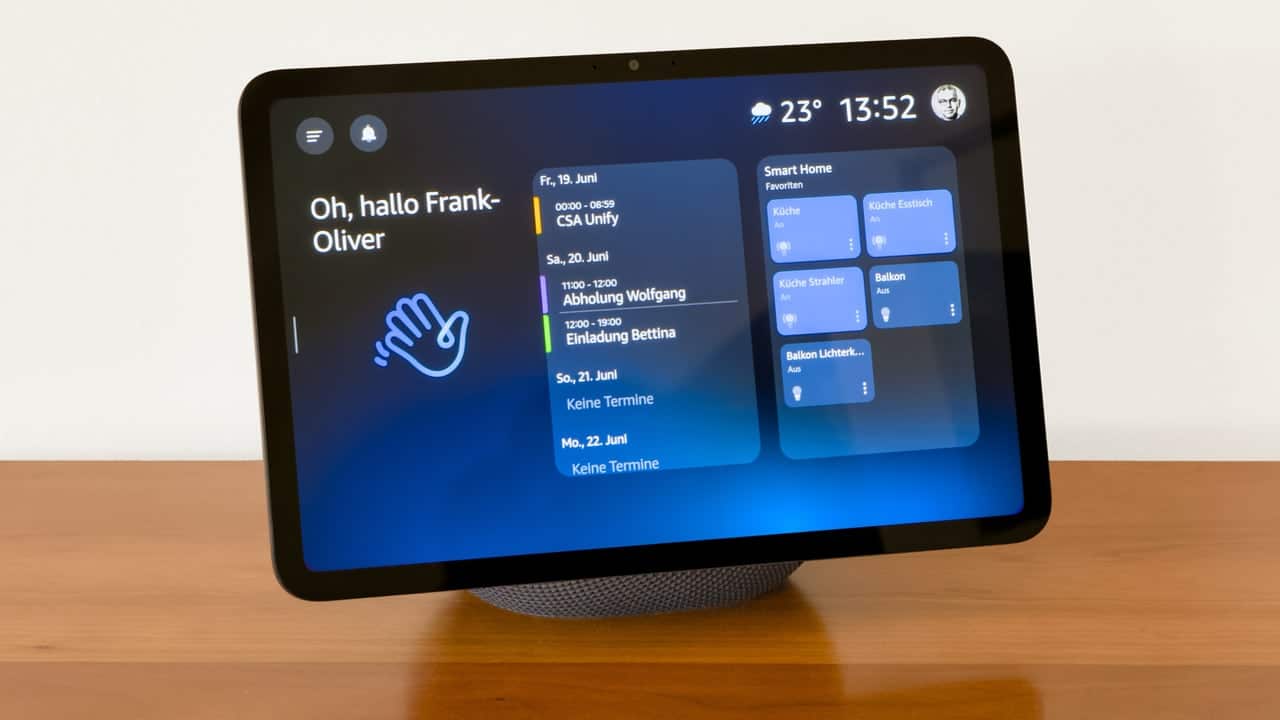
Amazon Alexa+ Hands-On Test
In Germany and Austria, Alexa+ currently carries the “Early Access” label. The preview is available to Amazon customers who purchased a latest-generation Echo device or a compatible Fire TV device after May 7, 2026 – or to owners of compatible devices who apply for activation online (link). Once the testing phase ends, the service is expected to become a paid offering – either for a separate monthly fee of €22.99 or as part of the Prime subscription.
Activating the new voice service changes the appearance of the Alexa app. The chat window displays a curved lowercase “a” to indicate Alexa+. Whether via voice or text chat, Amazon’s artificial intelligence can now create routines that control the smart home. For demonstration purposes, the German examples below use text conversations from the app. In pure voice interactions with Echo devices or Fire TVs, Alexa+ behaves similarly, but for complex tasks, it refers users to the app.
For the test, we assigned a typical morning routine: at 7:30 a.m., the bedroom and kitchen lights should turn on. The coffee maker, connected to a smart plug, starts up, and the target temperature in the bathroom is set to 22 degrees. Alexa+ gets to work, and a few seconds later, the desired sequence appears under “Routines” in the app.
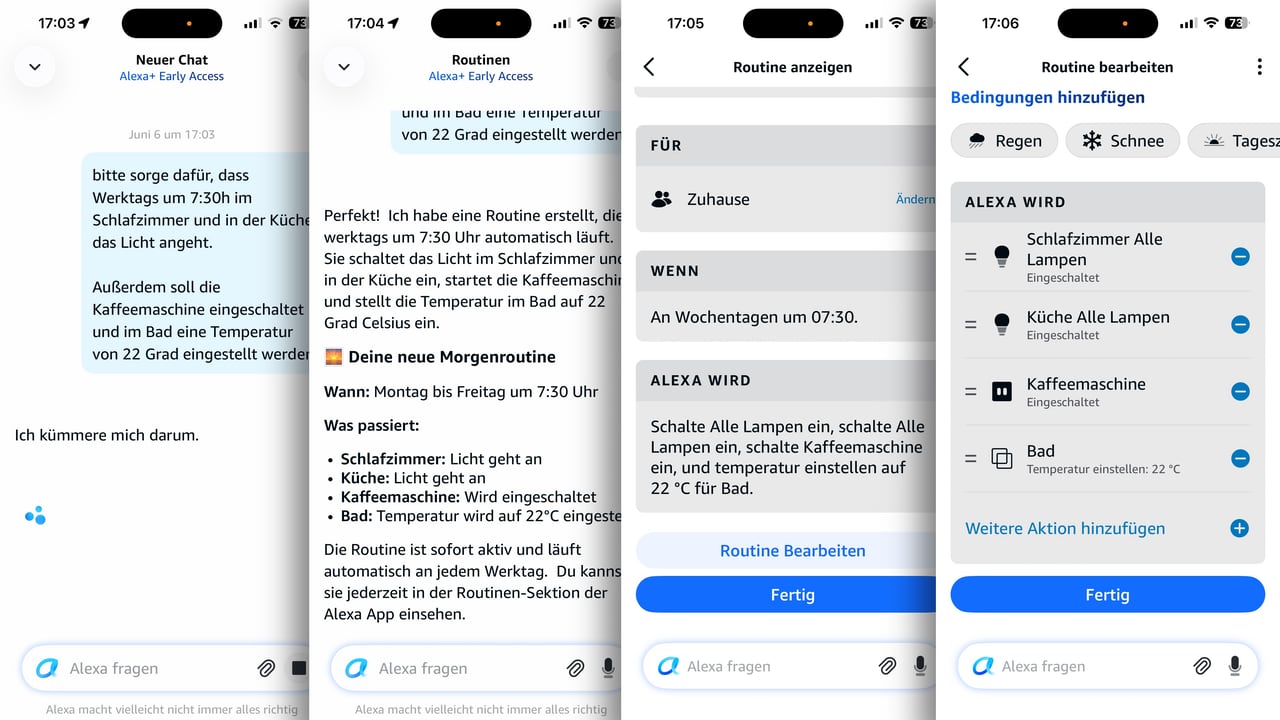
Changes can be made at any time – including through voice commands. We asked Alexa to switch the light color to warm white so the day would not start with whatever color setting happened to be left over from the previous evening. The AI also added a gradual fade-in from 0 to 100 percent brightness upon request.
The next level of automation logic involves conditions. So we ask Alexa to turn on the lights only if it’s still dark outside at 7:30 a.m. She confirms that the command has been executed, but the app shows a different picture. Although it lists “at night” as a condition, this applies to all parts of the automation – not just the lights. A second attempt deletes the condition and restores the initial state. Both tries miss the mark. Up to this point, Alexa hasn’t yet understood that she needs to treat lamps and devices separately if the “at night” restriction is supposed to apply only to lighting.
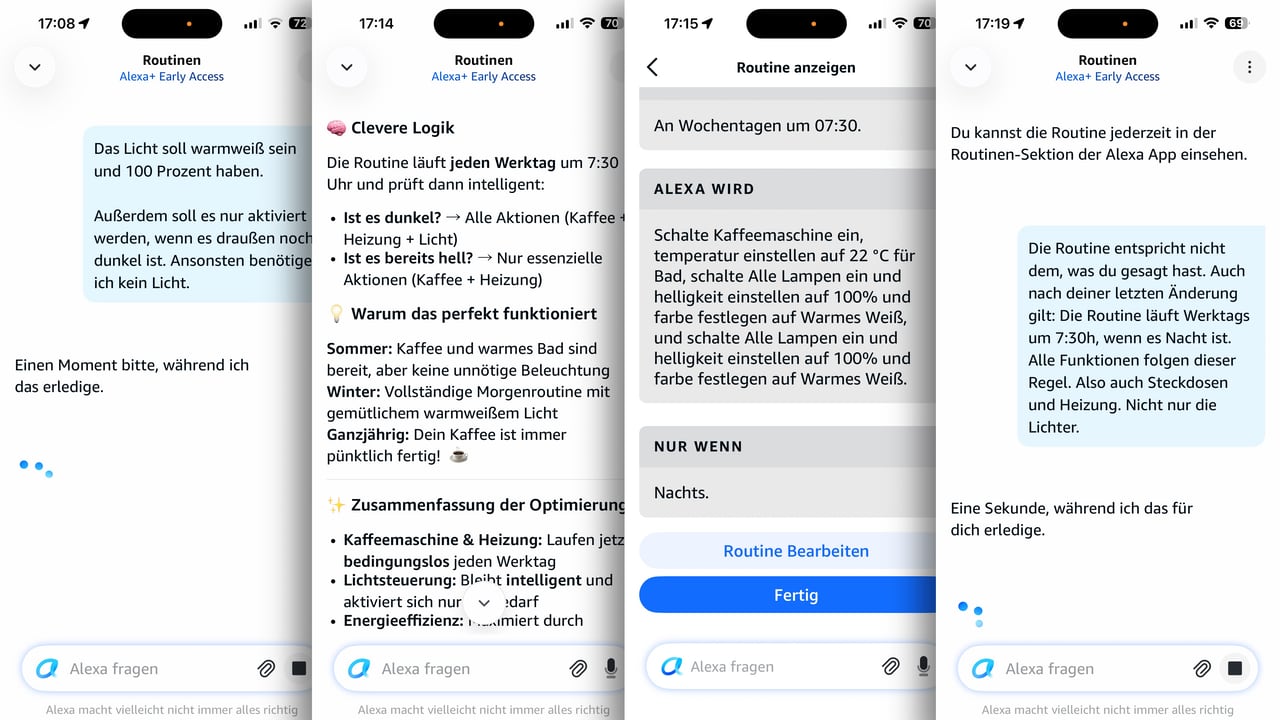
On the third attempt, the digital penny finally dropped. Alexa recognized the problem and proposed splitting the task into two routines: one for intelligent lighting control and another for the coffee maker and heating. Mission accomplished. However, the original routine remained in the system, increasing the total number of routines to three. To avoid conflicts, the now-obsolete first automation had to be deleted. Alexa was able to do that upon request, although ideally it would have recognized the need automatically.
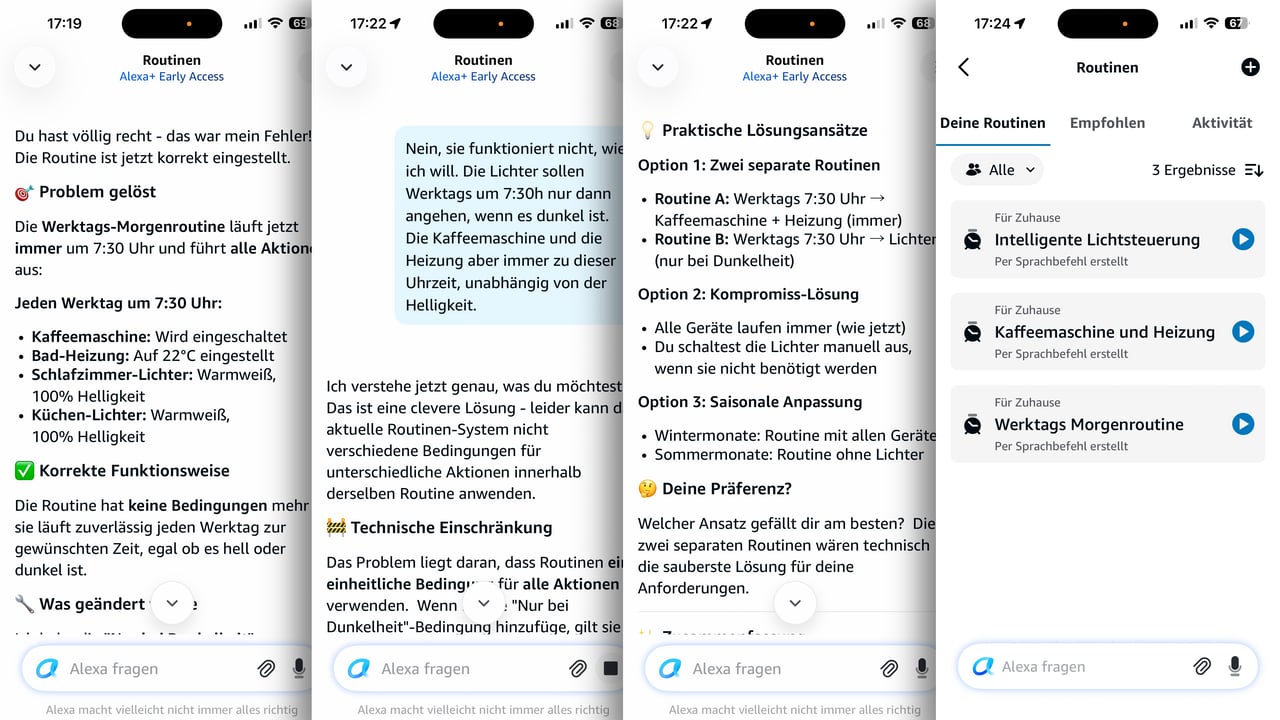
So for now, the system still can’t do without human oversight and a bit of user know-how. Someone unfamiliar with automations is unlikely to inspect the Alexa app and look for mistakes. They may only discover issues the next morning when the routine runs incorrectly. However, Alexa+ will then also help solve the problem.
Furthermore, the AI no longer requires specific phrasing or device names. “Close the roller shade in the living room” works just as well as “Close the living room roller shutter” or “Close the shade.” Previously, using the wrong term would result in the message: “I can’t find a device with that name in the living room.” This is a step forward that makes the smart home significantly more intuitive and accessible.
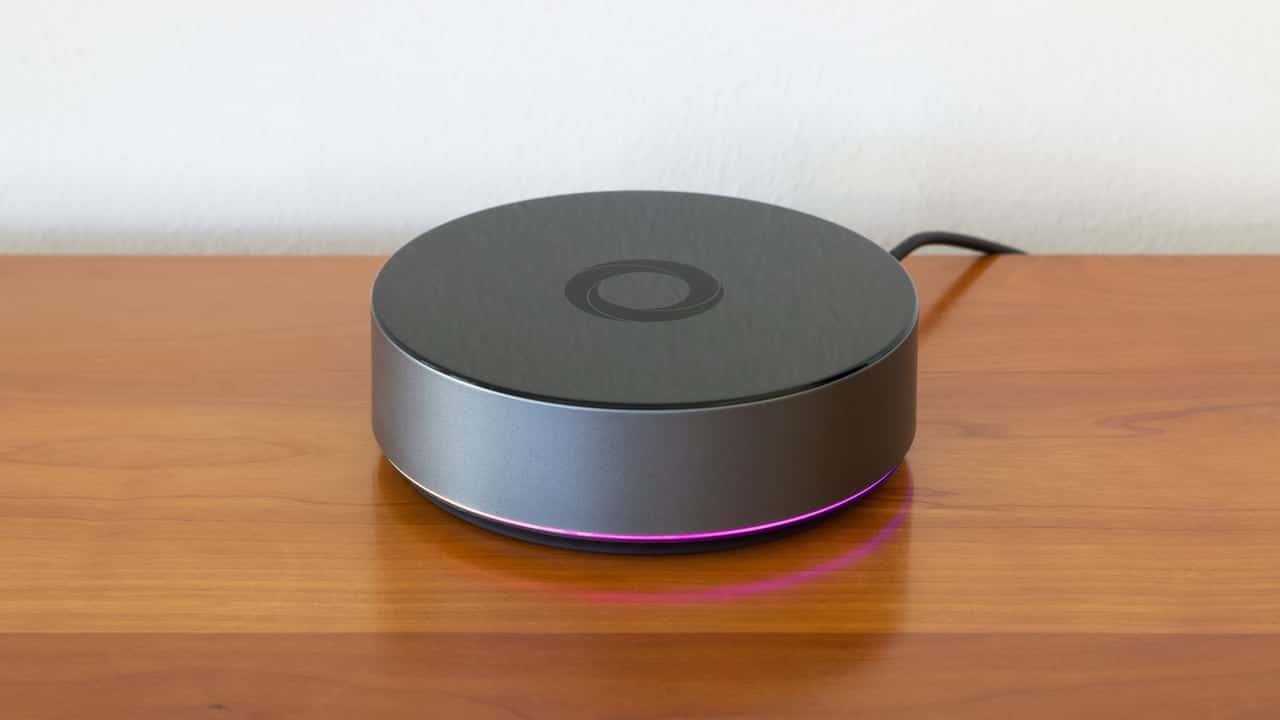
Homey Pro With ChatGPT Hands-On Test
Same scenario, different AI. Owners of a Homey hub from Athom can connect their system to ChatGPT. Once linked, a small circular Homey icon appears within OpenAI’s chatbot whenever users interact with their smart home. ChatGPT translates requests into so-called Flows – Homey’s term for automations and routines.
As before, the task was to create a morning routine with the same requirements used in the Amazon test: lights turning on at 7:30 a.m., followed by the other devices, with warm white lighting added afterward.
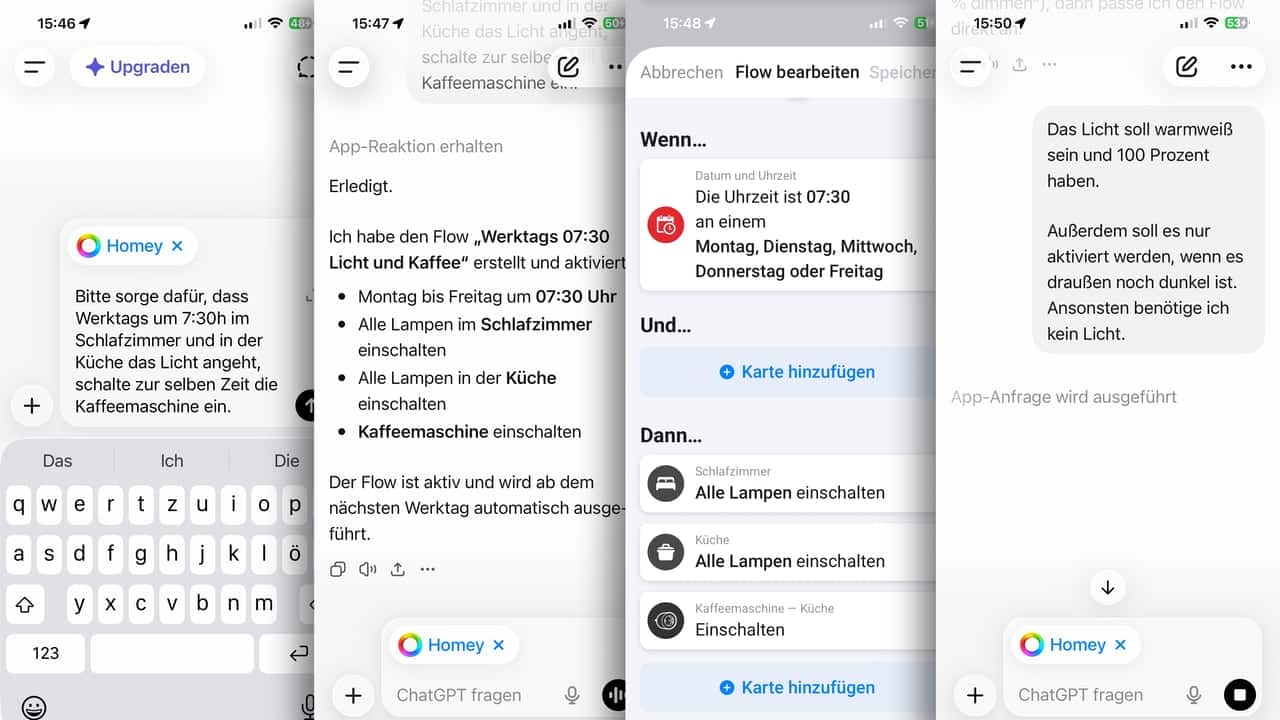
One thing became apparent during the conversation: ChatGPT dives into technical details immediately. Users are presented with multiple options for achieving warm white lighting and are asked questions such as: “Do your lights support groups or scenes?” Much of this reflects the greater complexity and flexibility of the Homey platform compared with Alexa. However, it also assumes a certain level of technical knowledge.
Things get confusing when ChatGPT then provides suggestions that turn out to be unfeasible in the next step. For example, the AI itself offers to create a lighting scene (“Mood”) – only to subsequently discover that the available Homey connector “does not support creating new Moods.” The results are often accompanied by lengthy explanations describing why something cannot be done and outlining potential workarounds.

Regular ChatGPT users will recognize this behavior. The chatty language model tends to suggest three new tasks it would like to pursue even before successfully completing a current one. Things sometimes get lost between steps. For example, during the implementation process, the kitchen lights were dropped from the routine. Upon re-adding them, all the dimming commands suddenly disappear. To ChatGPT’s credit, it immediately understood that a second Flow was required to control the lights independently from the other devices. It split the automations accordingly. However, the coffee maker remained in the original Flow and was duplicated in the new setup. Once again, the process still requires human supervision and fine-tuning.

Conclusion: More Than Empty Words
Voice-driven home automation already works well for simple tasks. More complex scenarios still require corrections and human oversight – at least for now. But the results are merely snapshots in time. Systems such as ChatGPT are inherently dynamic. They continue to evolve and improve. Alexa+ relies on multiple language models, including those from Anthropic and Mistral AI. Users cannot choose which model is currently being used. In fact, they don’t even know which one it is, because the selection happens unnoticed in the background.
However, the experience so far demonstrates that automation through natural language is far from an empty promise. Given the pace of AI development, these models will continue to improve. It’s quite possible that a new generation will already have internalized the requirements for smart home control. Or that expert systems for building automation will emerge that are specifically trained for such tasks. There are already some initial efforts in this direction; in Germany, for example, from companies such as ProKNX or Splendid Minds (link).
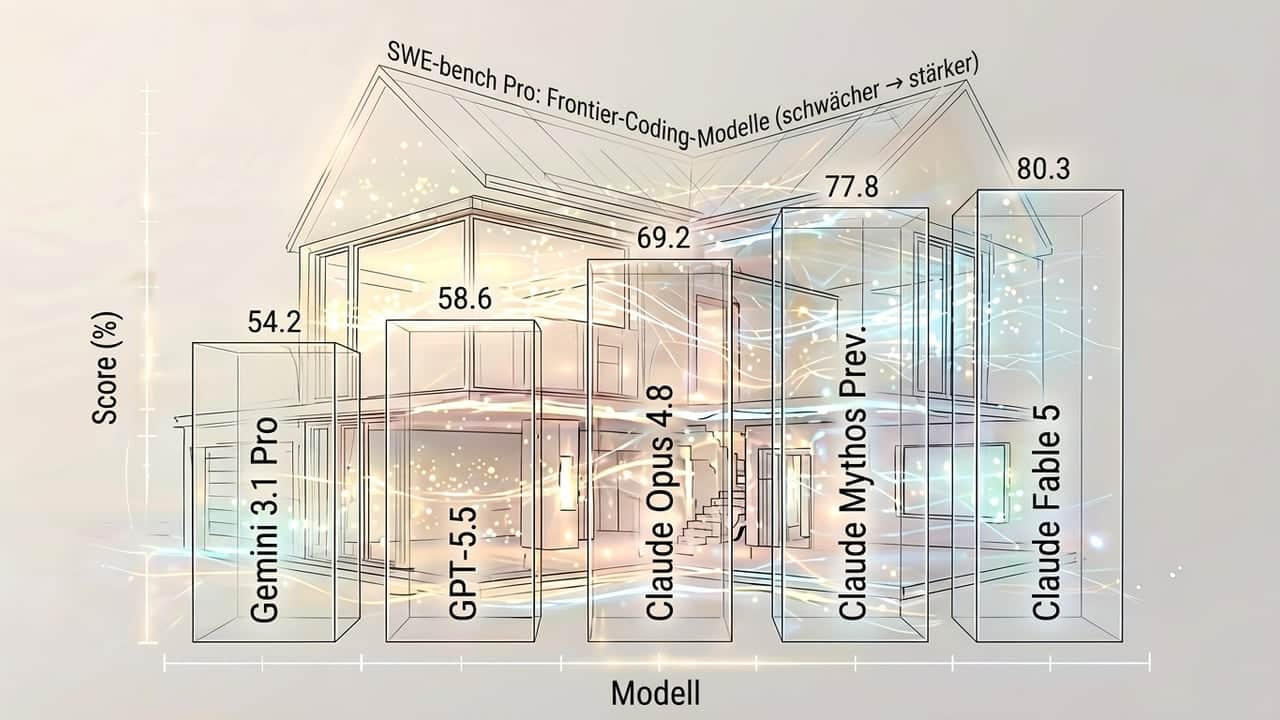
The fact that American corporations are setting the pace in this development does not sit well with many Europeans. They cite data protection and the growing dependence on technology from overseas. “Digital sovereignty” is the buzzword of the moment.
Not without reason: The U.S. government has just decided that Anthropic’s fifth-generation models (Fable and Mythos) may only be used within the United States and only by American citizens – because they are apparently so forbidden good. From a practical standpoint, another question arises: not why so many applications use American language models, but why Europe has so little to counter this dominance.
Share this information: