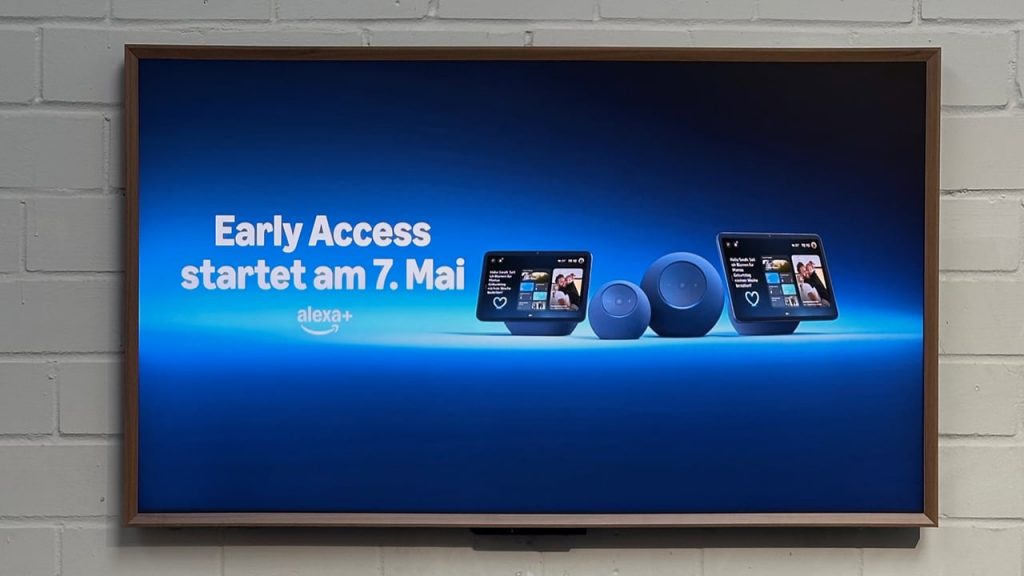
Talk of a “paradigm shift” should be used with caution – the term is overused. Alexa Plus (link), however, could indeed mark a turning point in building automation. Amazon’s AI-powered voice intelligence changes how people interact with the smart home – how they control devices and, more importantly, how they automate them.
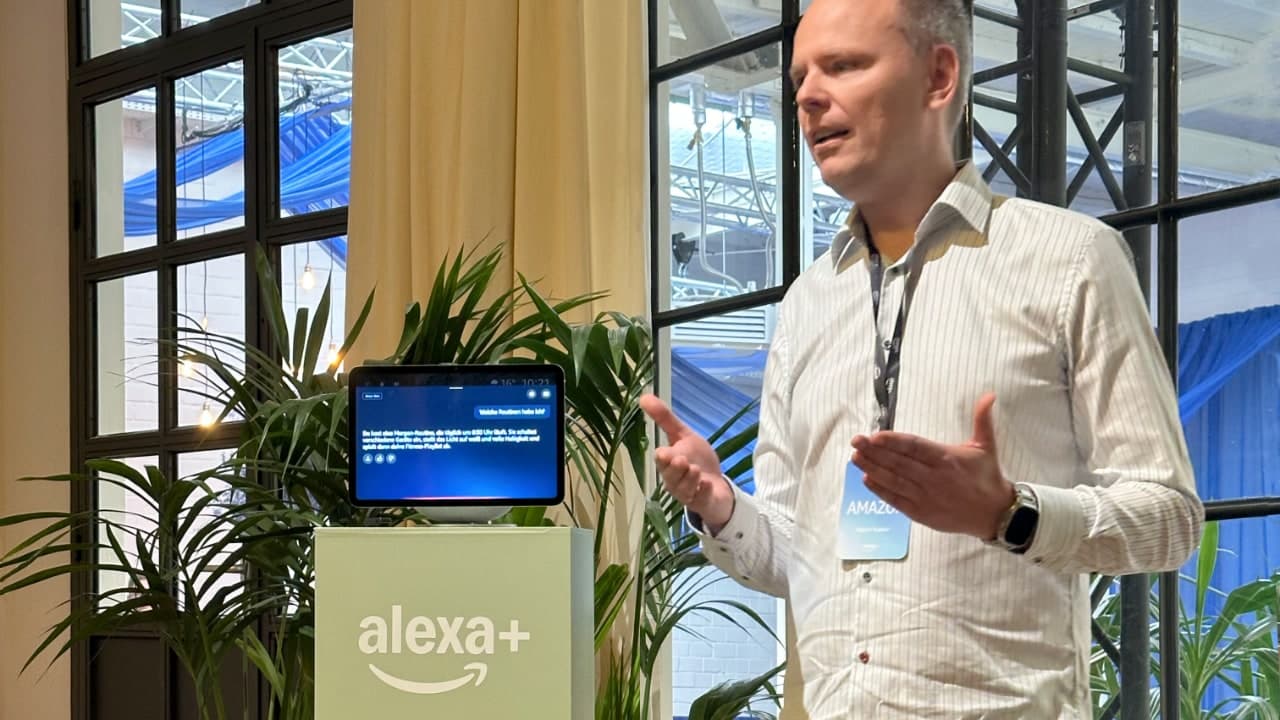
David Kaiser stands before a group of journalists in Berlin. The company invited colleagues and me to the launch event for Alexa+ in the German capital. As Managing Director of the Amazon Development Center in Germany, Kaiser oversees a team of around 1,000 engineers, product managers, and technicians.
Creating Smart Home Routines by Voice
On stage, Kaiser describes his children’s evening routine. Using an Echo Show, he asks Alexa+ to play the kids’ favorite audiobook and adjust the lighting accordingly. Playback starts, and all the lights in the demo room dim to a mystical pale blue. Nothing unusual so far. Then he casually asks the assistant to create a wake-up routine: at a specified time, “all lights in the room should turn on at 100 percent brightness, and the coffee maker and fan should switch on.”
After a brief pause, Alexa+ on the Echo Show confirms the setup is complete and offers to test the routine. The test run shows that everything works as intended, though the lights remain in the previously selected bluish hue. “I could have specifically asked for white light,” David Kaiser explains during the conversation. However, the routine can also be changed at any time afterward – via voice or in the completely revamped Alexa app, where the automations are stored as usual. The key difference from before: no manual steps, no if-this-then-that rules, and no searching through the app. This is home automation for people who have never even heard the term.
Natural Language Understanding with Memory
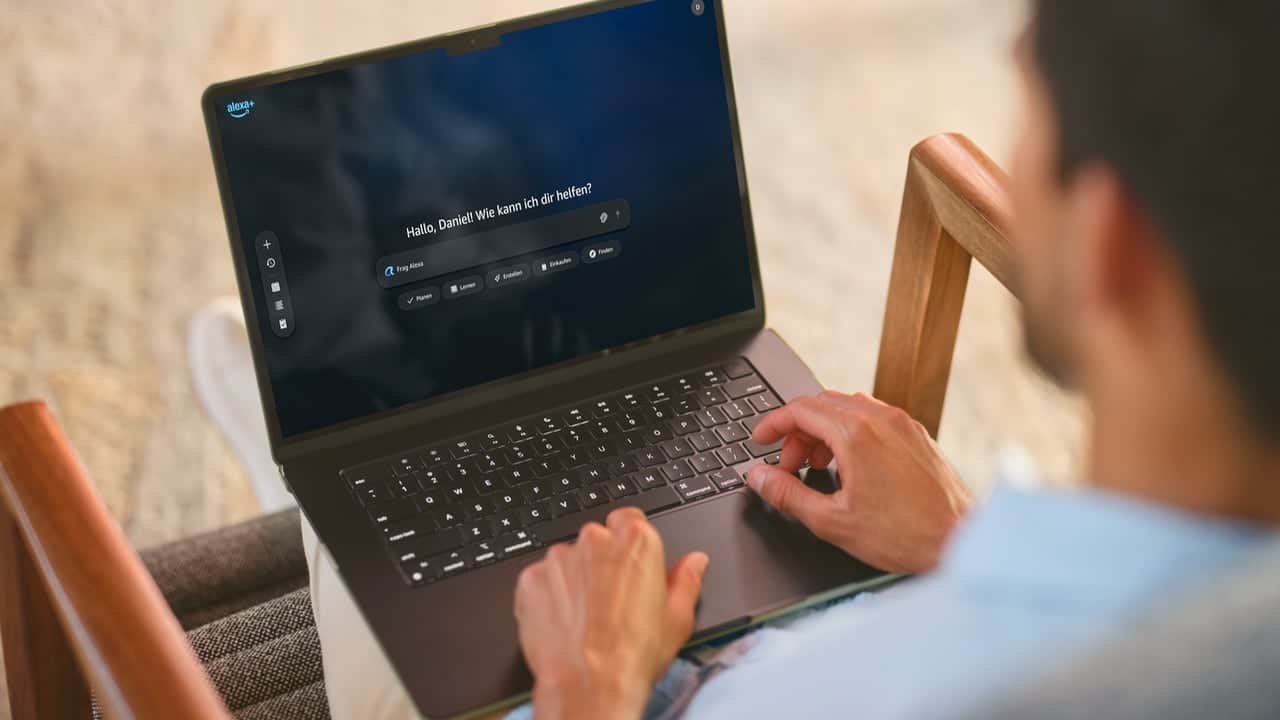
Another change: Alexa+ no longer requires fixed phrasing to understand commands. As a conversational AI, it captures context, references earlier parts of the dialogue, and identifies smart home devices even when they are not named precisely. This is a feature all major Matter platforms with voice assistants are working toward – but others are not as far along. At Google, the international rollout of “Gemini for Home” (link) has stalled. Samsung’s more advanced Bixby is currently limited to Galaxy devices (link). And Apple has postponed the launch of Siri 2.0 multiple times.
In the U.S., Alexa+ was released in February 2026, following an early access program that lasted nearly a year. In Germany, early access begins today, May 7, and Amazon is confident that it will be able to transition to regular operation more quickly this time – because it was able to learn from the U.S. experience. In practical terms, this means that anyone who purchases a new Echo device such as the Echo Show 8, Echo Show 11, Echo Dot Max, or Echo Studio from now on will have Alexa+ automatically activated.
To Be Included with Amazon Prime
Owners of older compatible devices can register online (link) to receive an invitation. After the official launch, Alexa+ will cost €22.99 per month. The service will be included with Amazon Prime at no additional charge – currently €8.99 per month or €89.90 per year in Germany. According to Amazon representatives, there are no plans to raise the Prime subscription price in this country.
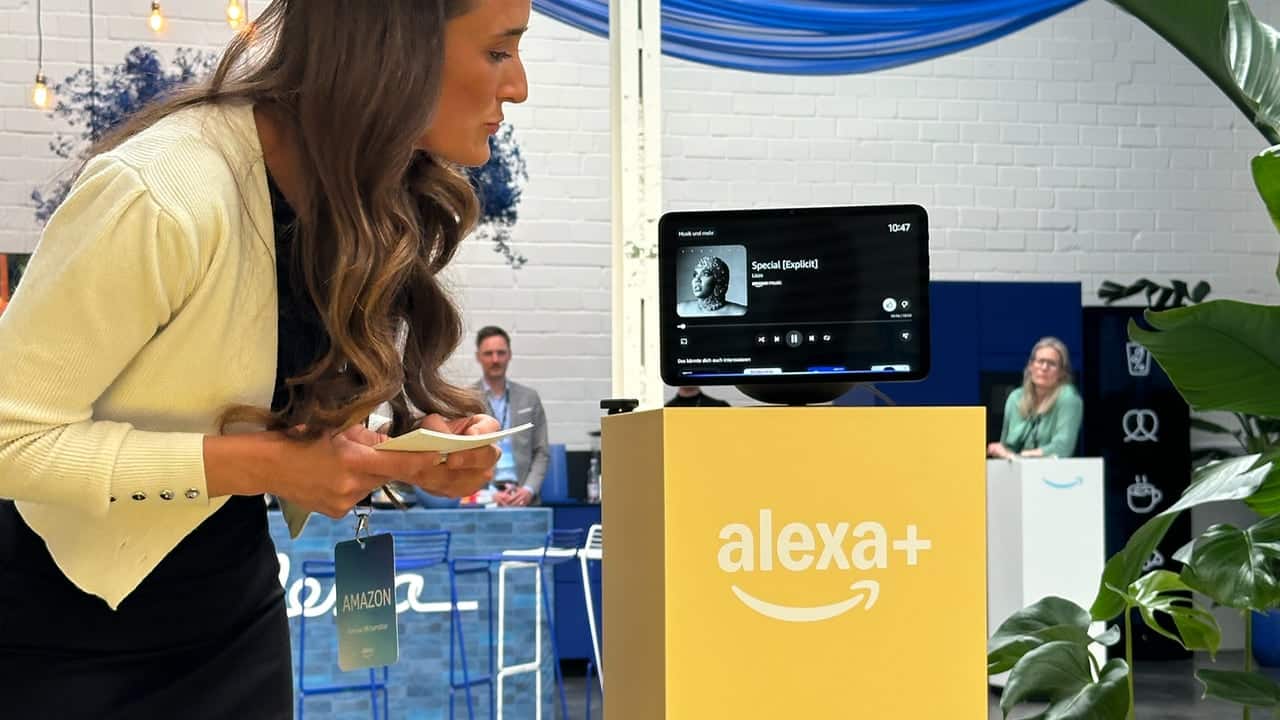
The Alexa+ experience, as the company calls it, is designed to be seamless across devices. Conversations started on one Amazon device, such as Fire TV, can continue on another without losing context. Amazon employees demonstrated this in Berlin with examples such as Alexa remembering family meal preferences, suggesting recipes based on available ingredients, tracking birthdays, knowing gift ideas, and even booking a table at a favorite Italian restaurant via OpenTable.
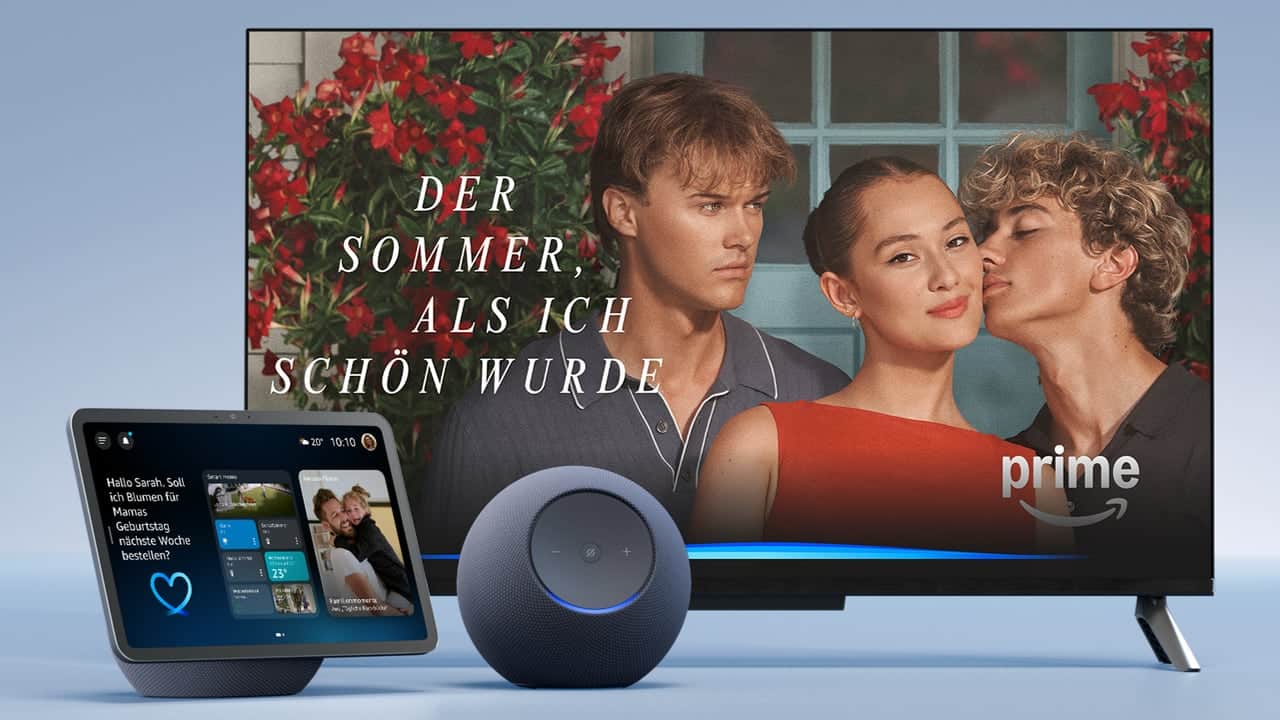
Identify a movie for a home theater night just by describing the poster? Ask the Echo Show, with its built-in camera, for styling tips on the outfit you’re wearing? Or querying where the Ring camera last spotted a yellow soccer ball in the house? Alexa+ enables capabilities that would have been hard to imagine for early Alexa users ten years ago – using natural language and a conversational tone similar to modern AI chatbots.
According to Amazon, there are various “personalities” that allow communication styles to be tailored to personal preferences. The company says it has taken into account the customs of Germans, who tend to communicate in a less exuberant manner than the U.S. audience and expect rather brief responses. The amount of personal information users are willing to disclose in their conversations is also likely to vary. After all, data privacy is a top priority in this country, the power of large U.S. corporations is viewed with increasing skepticism; and, of course, the collective intelligence of Alexa+ resides in the cloud.
Alexa+ Supports Dozens of Language Models
Without the support of Amazon’s servers, this level of assistance would be unthinkable. Alexa+ is not a standalone large language model (LLM) that could run directly on the device with sufficient computing power. Instead, Amazon orchestrates dozens of models in parallel, selecting the most suitable one for each task. Officially, only Claude from Anthropic and Mistral AI have been named in connection with Alexa+. However, the underlying Bedrock platform (link) from Amazon Web Services (AWS) theoretically provides access to many others – from the in-house Nova model to ChatGPT and Deep Seek, all the way to Meta’s (Facebook) Lama.
In home automation, local execution of commands is generally preferred. Devices respond faster and more reliably when directly connected. The Matter standard is designed to support such local connections, for example via Wi-Fi or Thread. Compatible Echo models act as a central hub (Matter Controller) and connect devices accordingly. Ideally, the language model helps create automation rules, while execution remains local – so that a morning routine still runs on time even if the internet connection drops. Whether Alexa+ achieves this in practice remains to be seen.
Also in the Car: Amazon Partners with BMW
For Amazon, the new Alexa is a way to strengthen its ecosystem. The Plus version will only be available on newer smart speakers, smart displays, and TV devices from the company, as well as in the Alexa app and soon via browser. Older devices – such as first- and second-generation Echo and Echo Dot models, as well as Alexa-enabled speakers from companies like Sonos – will retain the existing technology. They remain voice-controllable, but without the intelligence and conversational capabilities of Alexa+.
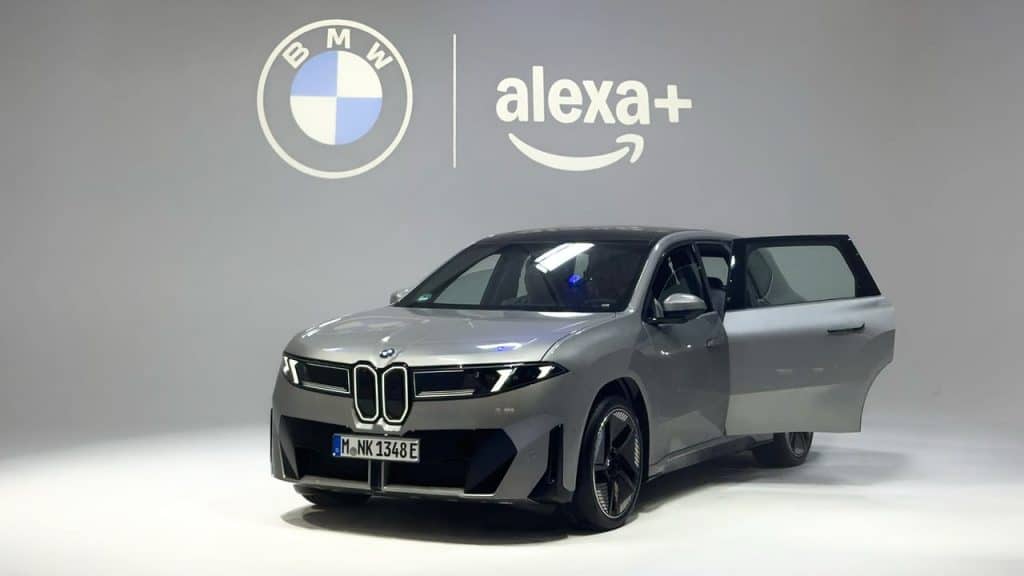
However, partnerships with other companies will continue. One example presented in Berlin: BMW is integrating the German-language version as a dialog system in its vehicles. Following the U.S. launch, the new BMW iX3 will also ship with Alexa+ in Germany. Newly manufactured models will include it immediately, while existing vehicles will receive the feature via a software update in June 2026. Additional BMW models are expected to follow in the second half of the year – giving the term “auto-mation” a somewhat different, ambiguous meaning.
Share this information: