Smart bulbs have an advantage: thanks to standardized lamp bases such as Medium (E26), Candelabra (E12), or GU10, they can be easily retrofitted. The lights become remotely controllable and, if needed, part of a central building management system. This is particularly true when the product supports the Matter standard, as such bulbs can interact with multiple ecosystems. They are compatible with Amazon Alexa or Apple Home, as well as open-source platforms like Home Assistant.
But now a trend is emerging that could permanently change the lighting market: Matter wireless technology is becoming an integral part of the design. Suppliers such as Ikea, Ledvance, and Signify with Philips Hue are launching decorative lights that can be connected to Matter ecosystems ex works – without a bridge or other proprietary technology from the manufacturer.
Matter-Enabled Lights: From Niche to Mainstream
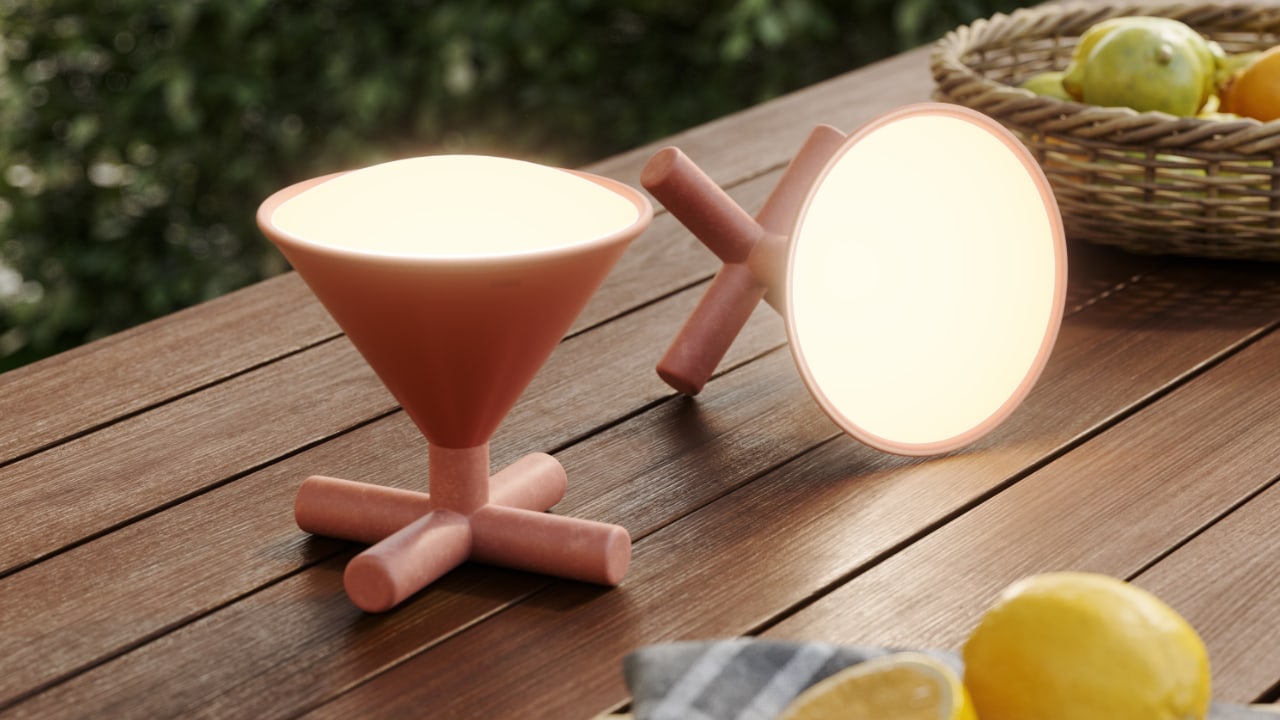
The first signs appeared back in 2023, when the Canadian design label Umbra collaborated with Nanoleaf to develop two Matter-enabled table lamps. The Umbra Cono and Umbra Cup models are still sporadically available online but were quickly discontinued. Now, however, a new wave of products is emerging that revisits this concept.
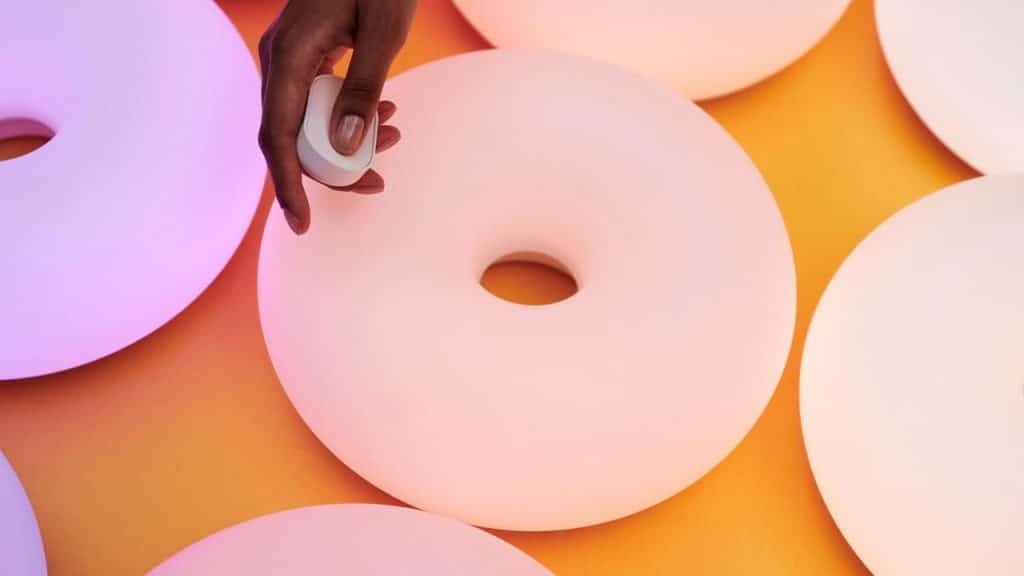
- Ikea presented two models from its Varmblixt series at CES 2026: a smart version of the ring-shaped Donut light and a networked version of the tube-shaped Varmblixt pendant lamp, also designed by Sabine Marcelis. Both feature Matter over Thread and are scheduled for release in April 2026.
- Ledvance offers a variety of wall and ceiling lights under the Osram brand name that also integrate Matter. The lineup ranges from high-voltage track systems with adjustable spots to splash-proof mirror lights for bathrooms. Some of these Matter over Wi-Fi products are already available.
- Signify appears to be taking a similar step with Philips Hue: a Matter-enabled version of the Flourish table lamp briefly appeared on Amazon. The German Hueblog was the first to report this, and the article is still accessible (link). A Matter logo on the packaging suggests direct integration without a Hue Bridge – even though the manufacturer seems to implement Matter-over-Thread via a smart bulb.
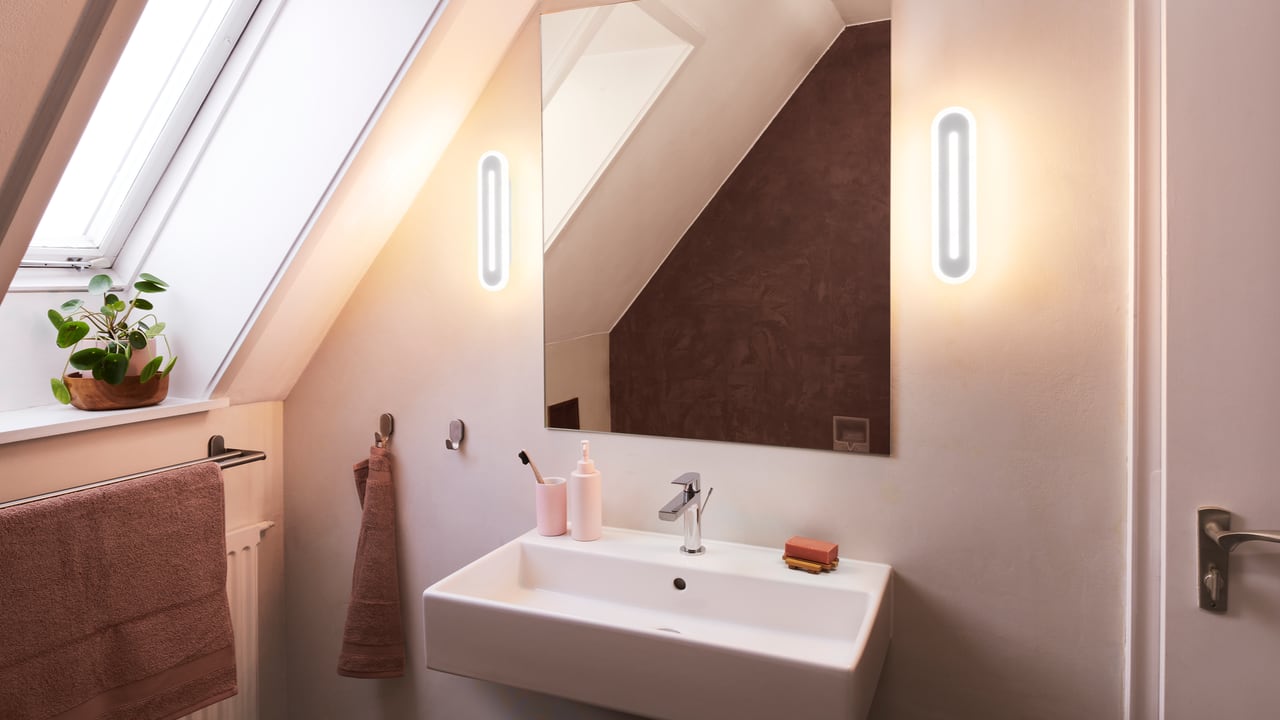
Integrated Wireless Technology or Matter-Enabled Bulb
The Matter standard defines how devices in smart homes communicate with each other and are integrated into platforms. How individual products establish this connection is left up to the provider. This allows for both classic retrofitting via wireless lamps and new approaches with integrated Matter technology.
The absence of replaceable light sources offers designers more possibilities. Since modern LEDs have a service life of several tens of thousands of hours, it is often not necessary to change the lamp. The flexible positioning of individual LEDs allows for new shapes: linear light sources, rings, flat elements, or tubular luminaires with homogeneous light distribution. In such designs, there is no place for light sources – and therefore no possibility of retrofitting Matter. The wireless and control technology must be part of the luminaire from the outset.
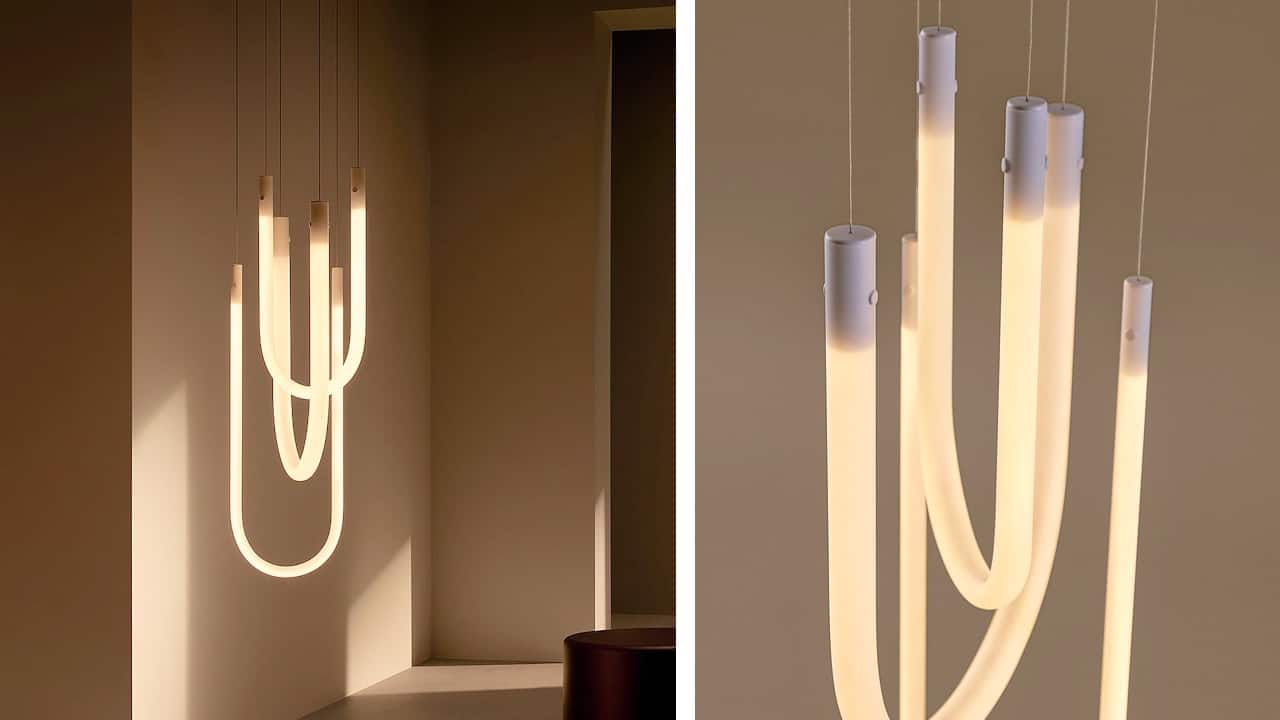
An Alternative to Proprietary Systems
Suppliers of lighting fixtures with integrated LEDs have so far relied primarily on their own technology – from radio remote controls to closed app ecosystems. This approach works reliably because it gives manufacturers full control. However, it also means a lot of effort for system maintenance and typically forces customers to stick to the supplier’s product range. Matter now offers a standardized alternative. Pre-assembled chipsets and reduced maintenance expenses make it easier for suppliers to enter the market. And they bring networkable lights into new, attractive price segments, as the example of Ikea shows.
This can put pressure on established lighting manufacturers with proprietary wireless solutions. When smart home integration is no longer a premium feature, it becomes more difficult to charge extra for it. And as more luminaires support the Matter standard, expectations rise for models that do not.
Share this information: