The Connectivity Standards Alliance (CSA) has released its new Aliro standard. Version 1.0 (link) is the result of several years of development: since 2021, companies from the semiconductor industry, the lock and security sector, and smartphone manufacturers have been working together. Their shared goal: to develop a universal solution for digital keys. Aliro is intended to end the patchwork of proprietary access systems that only work with certain phones, smartwatches, and smart locks (see also “What Is the Aliro Standard?”).
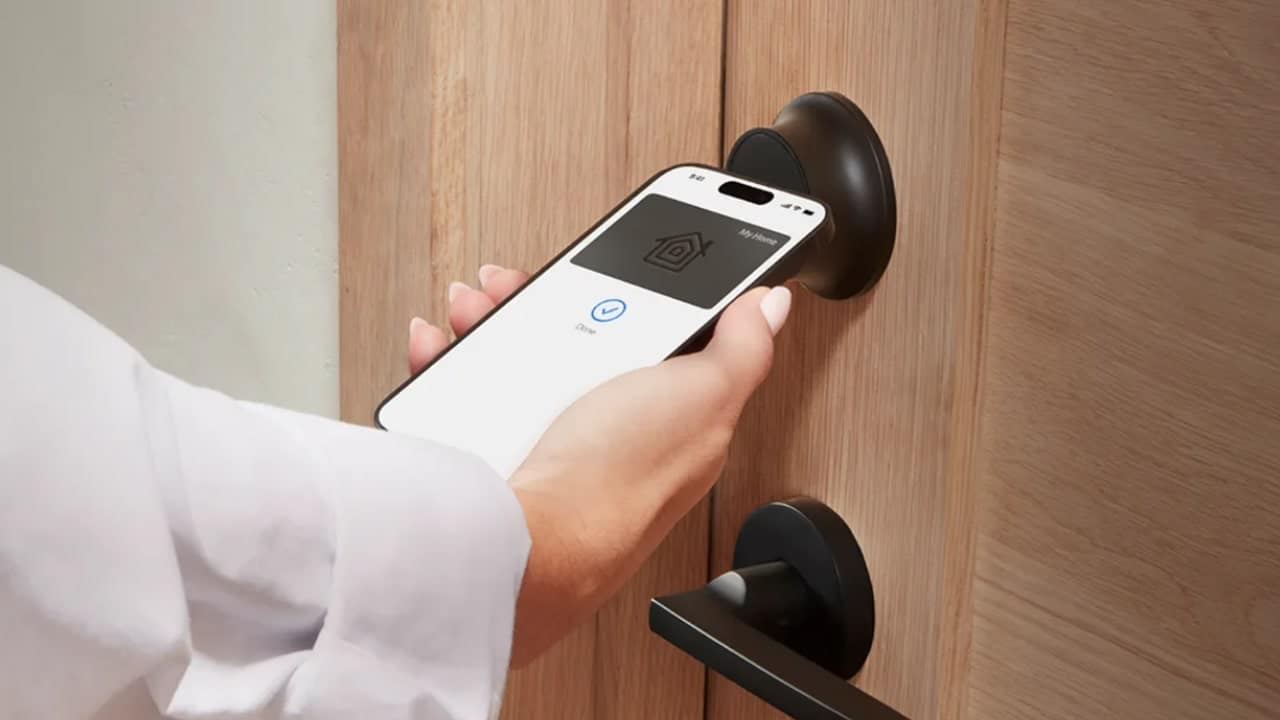
With more than 200 participating companies, the approach is reminiscent of Matter, which is why the project is housed within the same organization. “We are standardizing how a user device acts as a digital key for a reader,” explains Nelson Henry, chair of the Aliro Working Group within the CSA. “User devices can include all kinds of smart devices: smartphones, watches, and so on.” The reader on the other side can be a door lock, “but also any other solution that unlocks or grants access,” Henry says. The standard is deliberately agnostic regarding specific implementations. “Aliro focuses on how the interaction works – the protocol and the standardization of the user data being exchanged.”
Digital Access for Homes, Offices, and Hotels
The potential use cases are correspondingly broad. The technology is designed for private homes as well as offices, hotels, and other commercial buildings. Security was therefore a key priority for the developers. “Aliro is based on the same foundations found in FIPS standards – or those used to secure highly sensitive internet data: AES-256 for symmetric cryptography and P-256 (ECC) for asymmetric cryptography,” Henry explains.
One challenge is likely to be the long investment cycles in the professional sector. Here, decisions are made over long periods of time, which is why Aliro specifications must be thoroughly thought out and comprehensive from the outset. In this respect, Aliro also differs from the Matter standard, whose range of functions grows with almost every new release.
At the same time, the narrowly defined scope simplifies development. Unlike Matter, Aliro does not need to handle as many device categories and platform environments. Henry says: “We don’t have nearly as much flexibility. Our testing is more straightforward, and almost everything we test is high value. At our company (LastLock), it takes just ten minutes to run the entire test suite.”
Market Rollout Will Take Time
Even so, Aliro’s journey is only just beginning. With the publication of the specifications, manufacturers can finalize products and submit them to the CSA for certification. Review by test labs takes time, and potential revisions can delay market launches – as experience with Matter has shown. This may explain why there are no concrete launch timelines yet.
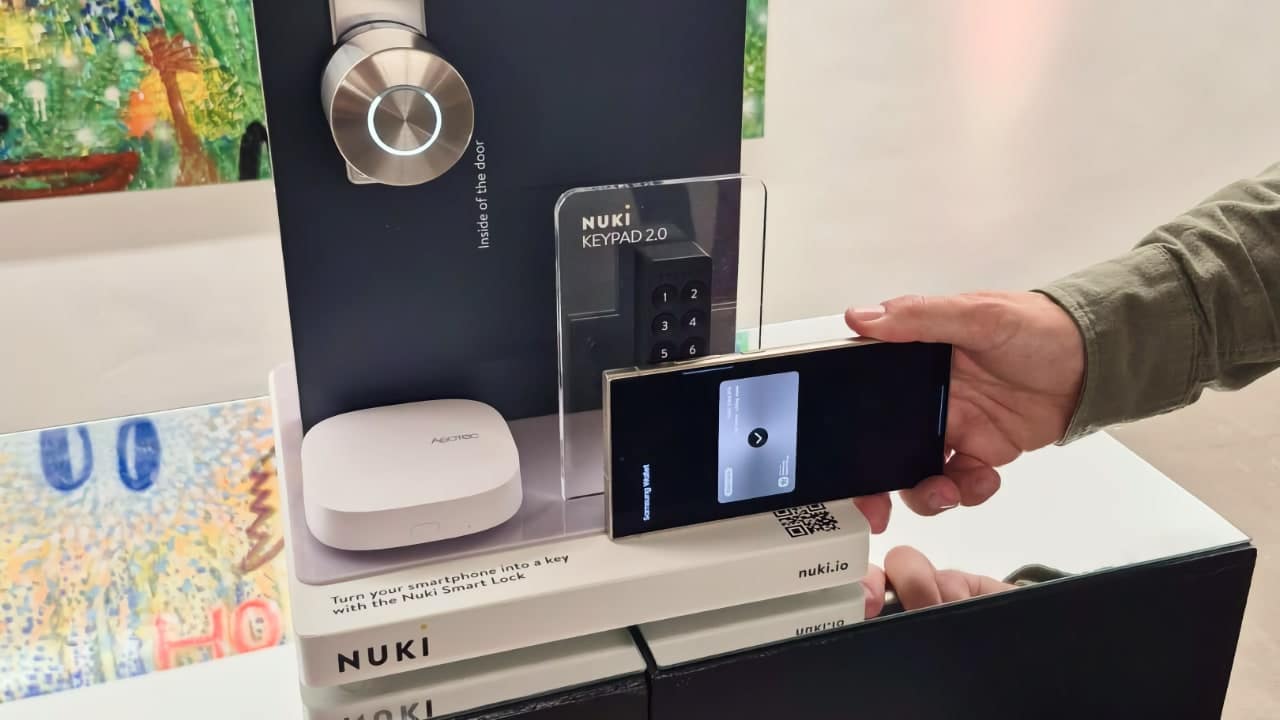
Jürgen Pansy, co-founder and CIO of smart lock manufacturer Nuki, said in response to an inquiry: “As pioneers in smart access, supporting open specifications is not an option for us – it is a core belief. Users deserve seamless interoperability and future-proof technology, regardless of which ecosystem they choose. We are convinced that Aliro 1.0 will usher in the next era of secure, connected access.”
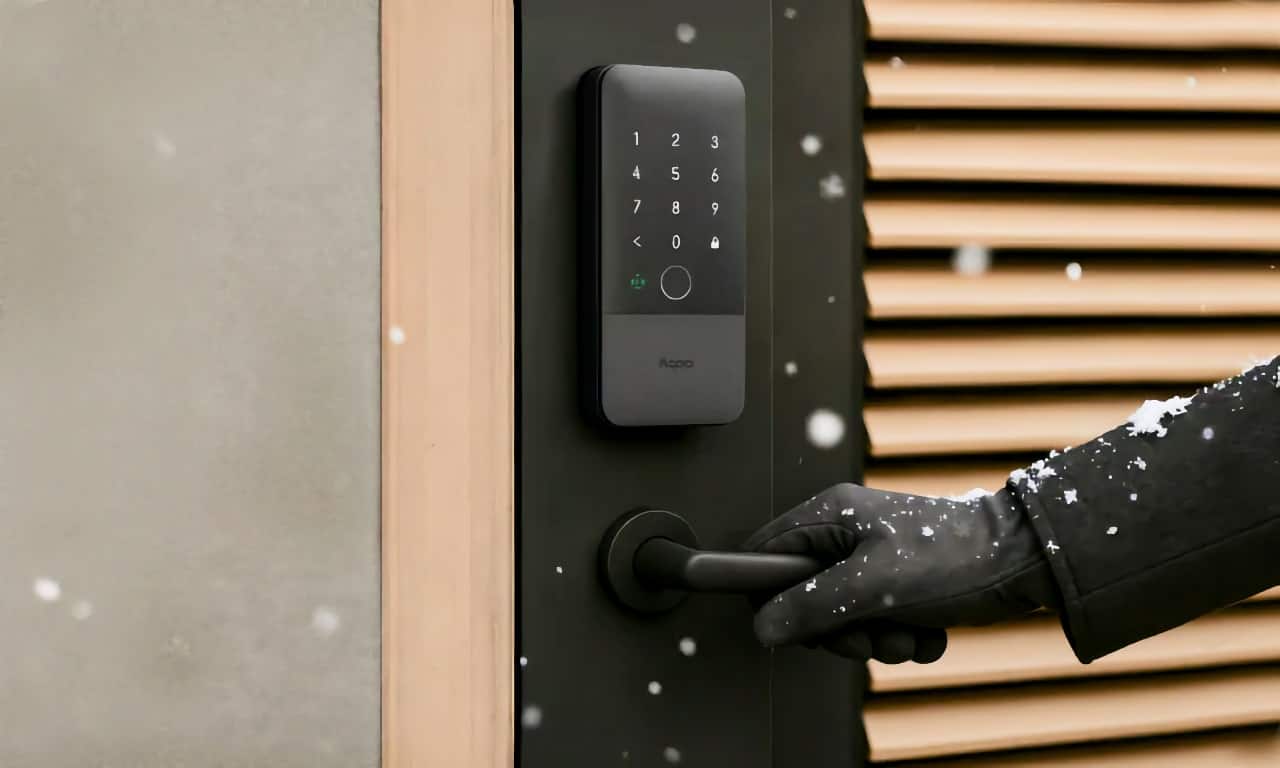
A Nuki prototype was shown at IFA 2025 in Berlin. Aqara, SwitchBot, and Uniloq (Xthings) showcased products at CES 2026 that are expected to support the standard. However, all remain cautious about specific announcements. For good reason: in addition to the locks, smartphones must also become Aliro-capable. Apple, Google, and Samsung have announced plans to manage the digital key credentials in their wallet apps. When this will happen depends on the strategic roadmaps of these platforms – something already familiar from Matter.
Matter and Aliro Work Together
And then it comes down to the design. Technically speaking, Aliro and Matter are two separate systems. They operate independently of each other. Set up accordingly, a smartphone could also issue and manage the key data itself. Access authorizations are exchanged directly; the reader does not need to be online or connected to a backend system such as Matter. In practice, however, Matter platforms will often be used to create, update, or delete rights.
Apple, Google, and Samsung, with SmartThings, already have the necessary ecosystems in place and will most likely leverage them. Outside private homes, the situation differs. “Take hotels, for example,” Henry explains. “Different solutions are used there. That’s why Aliro was designed to be agnostic in this respect as well. Matter is one possible administrative backend for Aliro – but not the only one.”
Share this information: